



The startup landscape in India is getting even more difficult to map out in Bengaluru, Mumbai and Delhi-NCR. The next wave of the entrepreneurial evolution of the country is emerging in cities like Jaipur, Indore, Coimbatore, Bhubaneswar, Vijayawada and Mysuru, where entrepreneurs are addressing local issues that have the potential to grow into global-scale businesses.
A change that is no longer anecdotal. As per the report of Startup India 53% of recognised startups are operating from Tier 2 & Tier 3 cities in January 2026. These cities are also gaining importance in the country’s innovation ecosystem as per the government’s Startup India initiative.
But the most limiting factor is capital. Venturing outside of metros, the process of getting access to investors, experienced mentors and specialised talent is still more difficult as funding remains focused on established startup hubs in India. The gap has not narrowed due to the increasing number of startups in smaller cities.
It is being reduced by the government-backed programmes. The NextGen Incubation Scheme (NGIS) is providing incubation, mentoring and seed support to startups in cities outside the traditional ones. Vijayawada had 133 startups being funded under NGIS followed by Bhubaneswar with 112 and Jaipur, according to YourStory, thus signifying the role of smaller ecosystems in early-stage entrepreneurship.
It is especially promising if the founders are familiar with issues that big city entrepreneurs might not. There are large addressable markets in the agriculture, logistics, healthcare, financial inclusion, and local commerce and language technology sectors. Only in the food processing sector, according to Startup India, approximately 58% of the recognised startups are located in Tier 2 and Tier 3 cities.
The opportunity now seems to be catching the interest of the investors. According to Inc42’s 2025 investor survey, Tier II and Tier III purchasing power is expected to be the next growth driver for consumers, with Hyderabad, Pune and Jaipur being the top contenders to be the next major hubs for startups.
However, there are some drawbacks to building outside a metro. Lower operating expenses and access to local talent may be advantages for founders, while requiring them to deal with challenges in hiring specialists and to access investor networks and established startup operators. As highlighted by the Tech Panda in the past, virtual incubators and digital networks can fill these gaps in the ecosystem.
A bigger story, in fact, is that Bengaluru is becoming less important. It’s that India is increasing startup centers.
Digital infrastructure, remote collaboration, and easy access to early-stage capital allows founders to not have to move to a metro to build for a national market. The next startup revolution might then be as much about hundreds of smaller ecosystems addressing Indian problems as it’s about a single super-hub.
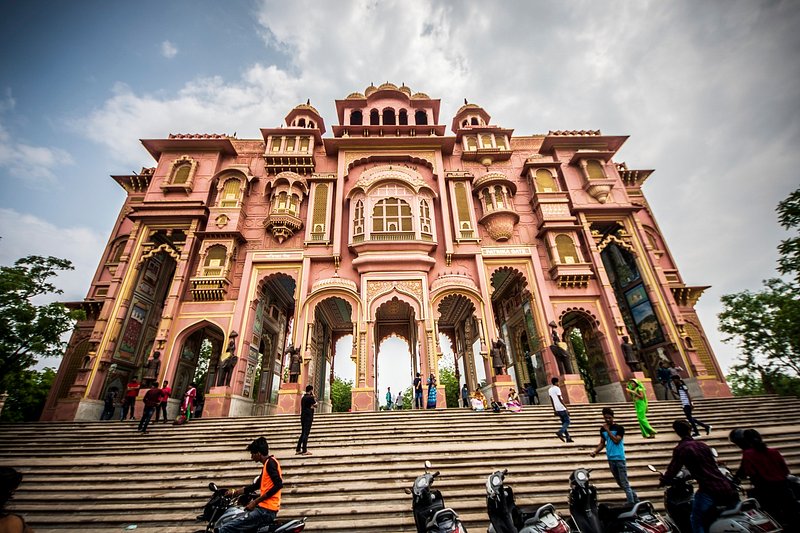
Featured image: Hawa Mahal, Jaipur
Image credit: Rawpixel.