



India’s EV growth is typically measured by the number of new vehicles launched and sold, charging stations installed, and funding dedicated to clean mobility. But the other half of this change is seldom discussed. It belongs to the neighbourhood mechanic who has been servicing petrol and diesel cars for years and now needs to know how to work with batteries, software and electric drivetrains.
Whether India is ready to drive electric depends partly on whether the people who keep its vehicles running are ready, too, and that question is becoming more urgent.
In August 2026, the southeastern state of Tamil Nadu announced a plan of 22,500 people to be trained in electric vehicles servicing within five years, including 12,500 mechanics already working on conventional vehicles.
The challenge is not limited to a single state, however, as India’s shift to electric mobility will also require shifting the skills that are currently being taught among the country’s automotive workforce.
The Vahan Portal data reported by state-owned broadcaster Akashvani News shows that India recorded around 2.3 million EV sales in 2025, representing 8% of the total new vehicle sales. Approximately 1.28 million electric two-wheelers were sold, and about 800,000 electric three-wheelers were sold.
Every single one of those vehicles will need technicians to maintain and repair it as it moves through India’s streets every day.
From engine repairs to battery diagnostics
For traditional mechanics, this shift changes the nature of the work itself. Battery packs, battery-management systems (BMS), motor controllers, charging systems and power electronics are joining familiar tasks such as servicing engines, replacing clutches, and troubleshooting fuel systems as part of the daily workload.
Electric vehicles also have fewer moving parts than conventional vehicles, which reduces some of the routine mechanical maintenance. Fewer moving parts, however, do not necessarily make for easier repairs; it takes special equipment, electrical knowledge and safety procedures to identify a battery fault and to diagnose a controller failure.
This change is evident in the Director General of Training’s Mechanic Electric Vehicle curriculum. The two-year vocational course includes training on electric motor repair and maintenance, battery packs, battery-management systems, controllers, charging systems and regenerative braking.
The challenge is ensuring these skills are known to mechanics already working in independent workshops. For many of them, training means giving up time, money and income. Meanwhile, diagnostic tools, replacement parts and safe working practices for high-voltage equipment can also pose financial and technical challenges.
Is there room for independent workshops in the EV economy?
The move may provide a new business opportunity for the mechanics who adapt. Many of the customers at independent garages already appreciate the ease of access, convenience, and low cost of repairs. These workshops could play a significant role in the service ecosystem, given the growing number of electric two-wheelers and three-wheelers.
Regardless, that opportunity will not reach every workshop equally. Mechanics require proper training, quality diagnostic tools, spare parts, and repair information. Independent workshops may not be able to resolve some faults because they do not have access to the necessary specific software or components.
India’s Right to Repair initiative reflects the broader push to improve consumers’ access to repair information and service options. The open question, though, is whether independent techs will have access to the tools and equipment to safely and economically fix newer EV models.
Manufacturers, vocational institutes and industry associations all have a part to play, for example by providing affordable certification, hands-on training and clearer repair procedures. Partnerships can also allow independent garages to deal with routine servicing and to send more serious battery repair jobs to the specialists.
India’s EV Transition is not just about new cars
Electrification does not have to push India’s traditional mechanics out of the profession. Their experience with vehicle maintenance remains valuable, but it must be supported by new technical skills
Sales figures will capture only part of India’s EV transition. Just as telling will be whether the people who maintain these vehicles can adapt, earn a sustainable living, and continue serving customers beyond authorised service networks.
India’s next generation of EV technicians may already be working in neighbourhood garages. Giving them a realistic path to make the transition could be just as important as putting more electric vehicles on the road.
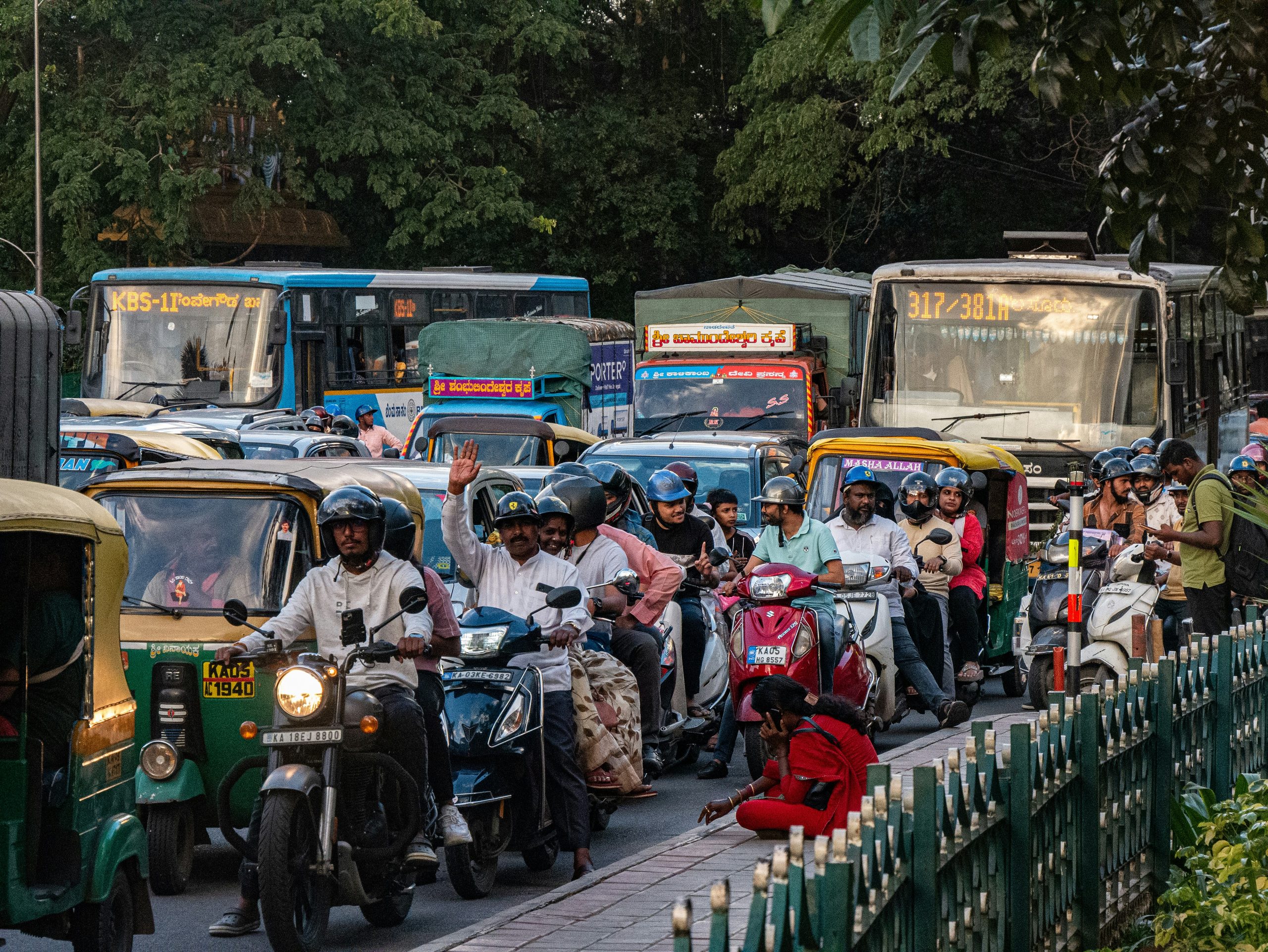
Featured image: Lukas Kienzler via Unsplash+